


Introduction
Artificial Intelligence has quietly entered the classrooms and study spaces of millions of students around the world. From personalized learning apps to smart homework assistants, AI has become a study partner that adapts to each learner’s pace and style. Unlike traditional methods that treat every student the same, AI tutors are creating a new kind of education that focuses on you.
So, how exactly is AI changing the way we learn? Is it really helpful or just another tech trend? And could it ever replace human teachers? Let’s explore how AI tutors are transforming learning — and what it means for your future.
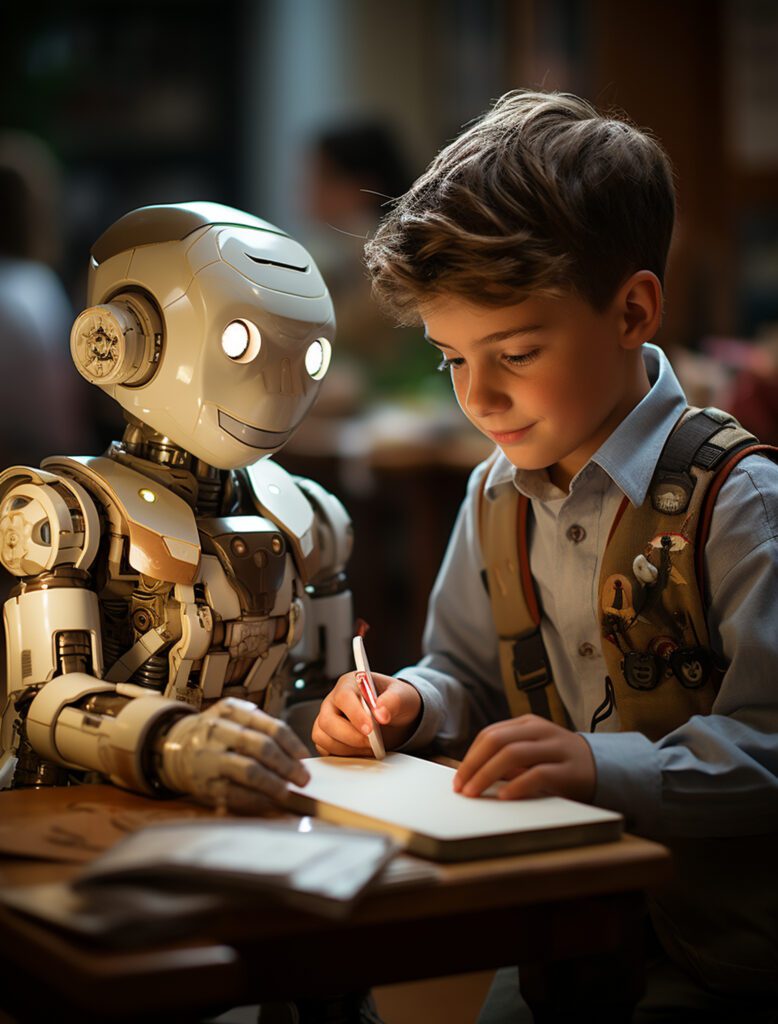
1. Understanding the Basics: What Exactly Is an AI Tutor?
At its core, an AI tutor is a digital learning assistant powered by artificial intelligence. It’s not just a chatbot or a talking robot — it’s a system that uses data, algorithms, and smart feedback to understand how students learn and where they struggle.
AI tutors can explain topics in multiple ways, test your understanding, and even adjust the difficulty level of lessons based on how fast you’re improving. For example, if you’re learning algebra and you keep making the same type of mistake, your AI tutor notices that pattern and provides extra practice or simpler explanations until you master it.
What’s amazing is how human-like these systems can feel. They don’t just give right or wrong answers — they guide you through reasoning. And unlike a human tutor who might have limited time or resources, AI can be accessible to anyone with a smartphone or laptop.
2. Why Students Are Turning to AI Tutors
The popularity of AI tutors has exploded in recent years, especially after online learning became the norm during the pandemic. But even as schools reopened, many students continued to rely on AI-powered apps because of the benefits they offer.
Here are some of the top reasons students are embracing AI tutors:
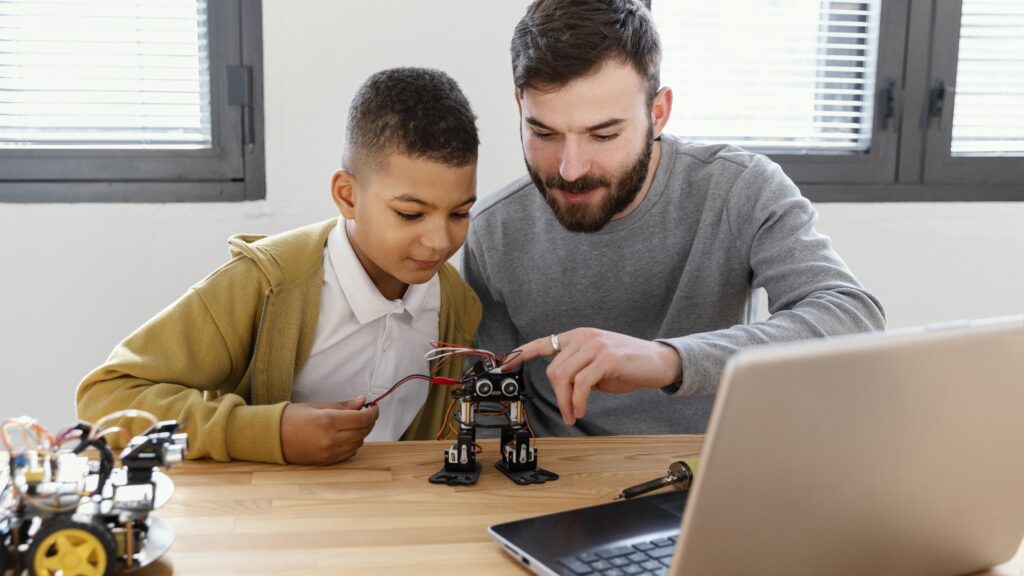
a) 24/7 Availability
Let’s face it — your study schedule doesn’t always match your teacher’s or your parents’. Whether you’re an early bird or a night owl, AI tutors are ready whenever you are. They make learning flexible and stress-free.
b) Personalized Learning
Every student learns differently. Some understand best through visuals, others through examples or repetition. AI tutors track your learning style and adapt accordingly. It’s like having a private tutor designed just for you.
c) Instant Feedback
No more waiting for graded assignments or teacher comments. With AI tutors, you get immediate feedback — you know what you did right and where you went wrong instantly.
d) Reduced Pressure and Judgment
Some students feel nervous asking questions in class. AI tutors eliminate that fear. You can make mistakes freely without worrying about being judged, which helps build confidence and encourages curiosity.
e) Cost-Effective Learning
Hiring a personal tutor can be expensive, but AI tools are often free or much cheaper. That makes quality education more accessible to everyone, regardless of background or budget.
3. How AI in Education Actually Works
So how does AI manage to “understand” you as a learner? The answer lies in a combination of data and pattern recognition.
AI systems collect information every time you interact with them — your answers, the time you take to solve a problem, the types of questions you get wrong, and even the topics that interest you most. Using this data, they build a “learning profile” that helps them predict what you need next.
For instance:
- If you’re solving math problems too quickly, the AI increases difficulty.
- If you’re struggling with grammar, it provides simpler examples.
- If you perform well consistently, it introduces advanced concepts.
This ability to adapt in real-time makes AI tutors incredibly powerful. It’s like having a teacher who knows your brain as well as you do — maybe even better sometimes!

4. Real-Life Examples of AI Tutors
You might already be using some AI-based learning tools without realizing it. Here are a few popular examples that show how AI in Education is already transforming study habits:
a) Duolingo
This language-learning app uses AI to track your progress and adjust exercises based on your strengths and weaknesses.
b) ChatGPT
Many students use ChatGPT to explain complex topics, write summaries, or brainstorm essay ideas. It’s a great example of how AI can make learning conversational and interactive.
c) Khan Academy’s Khanmigo
This AI-powered teaching assistant guides students step by step through problems instead of just showing the answers.
d) Google Socratic
This app lets students snap a photo of a question and instantly get explanations, videos, and step-by-step solutions.
These tools prove that AI tutors aren’t replacing teachers — they’re extending their reach. They make learning accessible beyond the classroom and give students more control over their own pace.
5. The Benefits of AI Tutors for Students
Let’s break down the top benefits of AI tutors in your daily learning experience:
a) Learning Becomes Fun
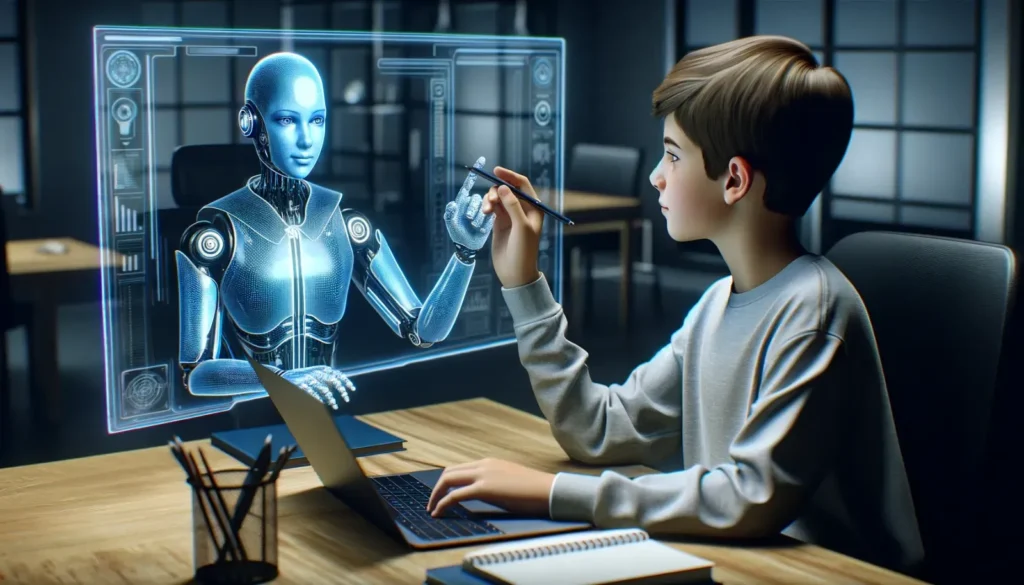
AI tutors often use gamification — quizzes, badges, and rewards — to make studying more engaging. When learning feels like a game, motivation naturally increases.
b) Continuous Support
Whether it’s revising before a test or catching up after missing a class, AI tutors are there to fill in the gaps.
c) Encourages Independent Learning
With AI tutors, you don’t always need to depend on someone else to teach you. You can explore, ask questions, and learn at your own pace.

d) Faster Progress
Since AI identifies your weak points instantly, you spend less time repeating what you already know and more time improving where it matters.
e) Improved Confidence
When students can practice privately, make mistakes, and improve on their own, they gain confidence — not just academically but personally too.

6. Can AI Tutors Replace Real Teachers?
This is one of the biggest questions students ask — and the short answer is no. AI tutors are powerful, but they can’t replace the emotional connection, empathy, and human understanding that real teachers bring.
AI can teach you what to learn and how to learn better, but teachers inspire why learning matters. They guide your curiosity, help you work through frustration, and celebrate your progress.
Instead of replacing teachers, AI is becoming their partner — helping them save time, track student progress, and focus more on mentorship rather than grading or repetitive explanations. The best education system of the future will likely blend both worlds: AI-powered tools + human teachers = unstoppable learning experience.
7. The Challenges of AI in Education
Like any technology, AI in Education also comes with challenges. It’s important to be aware of them so you can use it wisely.
a) Over-Reliance
Relying too much on AI for answers can make students less independent. It’s great for help but always try to think first before asking.

b) Accuracy Issues
AI tools are smart, but not perfect. Sometimes, they might misunderstand a question or give incorrect responses. Always cross-check important facts.
c) Privacy Concerns
AI systems collect learning data. If not handled properly, it can raise privacy issues. Always use trusted and secure platforms.

d) Lack of Emotional Support
AI can guide you logically but can’t provide emotional understanding or motivation like a human teacher can.
Being aware of these challenges helps you balance your use of AI — enjoying its benefits while staying thoughtful about its limits.
8. The Future of Learning with AI
The future of AI in Education looks bright and exciting. Experts predict that within the next decade, AI tutors will become even more personalized, using speech recognition, facial emotion analysis, and virtual reality to make learning immersive and interactive.
Imagine walking through a 3D historical city using VR guided by an AI historian or solving science problems with a holographic tutor. The line between learning and real experience will blur.
But the most important change will be how education becomes more inclusive. Students from remote areas or underfunded schools can access the same quality of tutoring as anyone else — leveling the playing field across the world.
That’s the true power of AI — not just teaching facts but giving every student a fair chance to succeed.

9. How You Can Make the Most of AI Tutors
Here are some simple ways you can use AI effectively in your studies:
- Use AI as a helper, not a crutch. Let it guide you but not think for you.
- Set clear goals. Use AI to stay on track and measure your progress.
- Ask smart questions. The better your questions, the more helpful the AI’s responses.
- Mix AI learning with real study. Combine it with books, teachers, and group discussions.
- Stay curious. AI gives you the facts — but curiosity gives you meaning.
When used right, AI can make your study sessions faster, smarter, and more enjoyable.
Conclusion
Education has always been about growth — and with AI, that growth is now smarter and more personal than ever. The rise of AI tutors shows how technology can make learning fairer, more flexible, and more fun.
As a student, you’re living in one of the most exciting times in educational history. You have access to tools that can understand your learning style, help you fix mistakes instantly, and even cheer you on when you improve. But remember — AI is a tool, not a teacher. The real power of learning still lies in your curiosity, effort, and the desire to understand the world.
So, the next time you open your favorite study app or chat with an AI tutor, remember this: you’re not just learning with technology — you’re shaping the future of learning itself.
FAQ
1. What exactly is “AI in Education” and how does it work?
Simply put, it’s using smart computer tools that learn from your study habits and help you get better at learning. These systems track your answers, time taken, mistakes made — then adjust lessons to fit you.
2. Can AI tutors really help me learn better than traditional methods?
Yes — they offer advantages like personalized pacing, instant feedback, and 24/7 access, which many students value. But they don’t replace your own effort or a teacher’s support — they’re more like a smart study-partner.
3. Are there risks or downsides if I rely only on AI tools for my studies?
Definitely. Over-reliance on AI can reduce your independent thinking. Also, AI tools might give incorrect or outdated info and there are privacy and fairness concerns too.
4. Will AI in Education replace human teachers someday?
Not really. While AI is powerful for adjusting lessons and helping with repetitive tasks, human teachers bring empathy, motivation, real-life advice, and emotional support — things AI can’t fully replicate.
5. How can I use AI tools smartly as a student?
Use them to practice, revise, test yourself and get feedback — but also mix in traditional study: discussions, books, group work, asking questions in class. Be curious, check facts, and don’t let AI do all the thinking for you.
Disclaimer:
The information provided in this blog is for general informational and educational purposes only. Mantech Publications is not affiliated, associated, authorized, endorsed by, or in any way officially connected with any brands, companies, organizations, or institutions mentioned in the content. The views and opinions expressed in the blog posts are solely those of the individual authors and do not necessarily reflect the official policy, position, or opinions of Mantech Publications. While efforts are made to ensure the accuracy and reliability of the information provided, Mantech Publications and its management accept no responsibility or liability for any loss, damage, or inconvenience caused as a result of reliance on the material published on this website
Related posts:
![How to get NAAC Accreditation 2026]()
How to Get NAAC Accreditation: A Step-by-Step Strategic Roadmap for Higher Education Institutions
![Affordable college journals]()
Cost-Effective Subscription Strategies for Tier-3 Higher Education Institutes: A Practical Guide to …
![Digital Spine by mantechpublications]()
Redefining the Digital Spine: An Ergonomic Blueprint for the Modern Human
![Mantech-Publications-Journals Best NAAC Consultancy Services in India by Mantech Publications]()
Best NAAC Consultancy Services in India: How to Choose the Right Partner
![Mantech-Publications-Journals Best NAAC Consultancy Services in India by Mantech Publications]()
NAAC SSR Report Writing Made Easy: Format, Tips & Real Examples (2026 Guide)
![study notes apps by mantech publications]()
7 Best Mobile Apps for Study Notes Every Student Should Try Today





Leave a Reply