


When you think of gaming, what comes to mind first? Late-night battles with friends? That one match where you were so close to winning? Or maybe your favorite streamer who makes every match feel like a show?
For Gen Z in India, gaming is no longer just a way to pass time. It’s becoming a lifestyle, a booming industry, and even a career path. From packed esports arenas to millions tuning in to live streams, this digital playground is buzzing with energy and ambition. But what’s really happening behind the scenes? Why are so many young people leaning toward esports and streaming instead of more “traditional” hobbies?
Let’s talk about gaming trends Gen Z India, explore what’s driving this massive cultural shift, and understand how this world is becoming more than just fun.

The Rise of Gaming Among Gen Z in India
If you walk into any college canteen or hostel common room today, chances are you’ll hear heated arguments over which team is winning in BGMI (Battlegrounds Mobile India), discussions about Valorant strategies, or someone live-streaming their gameplay to an audience of hundreds.
A decade ago, this scene would’ve been unthinkable. Gaming was mostly something you did quietly at home, often criticized as “a waste of time.” Fast forward to now, and esports tournaments are filling stadiums, streamers have millions of followers, and gaming is being discussed in mainstream media.
According to industry reports, India’s gaming industry is expected to cross $8.6 billion by 2027, growing at more than 20% annually. That’s not just “a trend”—that’s a cultural wave.
So, what’s making this generation of students so drawn to gaming?

1. Gaming Is Their Social Space
Think about where you hang out with friends. Sure, there are cafes and classrooms, but for many Gen Z students, the real hangouts happen online. Games like PUBG, Valorant, Fortnite, and even Minecraft aren’t just about competition—they’re social hubs.
Voice chats, squads, co-op missions, and custom lobbies create spaces where friendships deepen. For some, their closest group of friends exists entirely online. They may have never met in person, but they share daily conversations, victories, and memories through gaming.
Streaming platforms like Twitch and YouTube Live add another layer. Watching a friend or favorite streamer play while chatting with others in real-time turns gaming into a group experience. It’s the new equivalent of watching a cricket match together on TV.
2. Esports: The New-Age Stadium
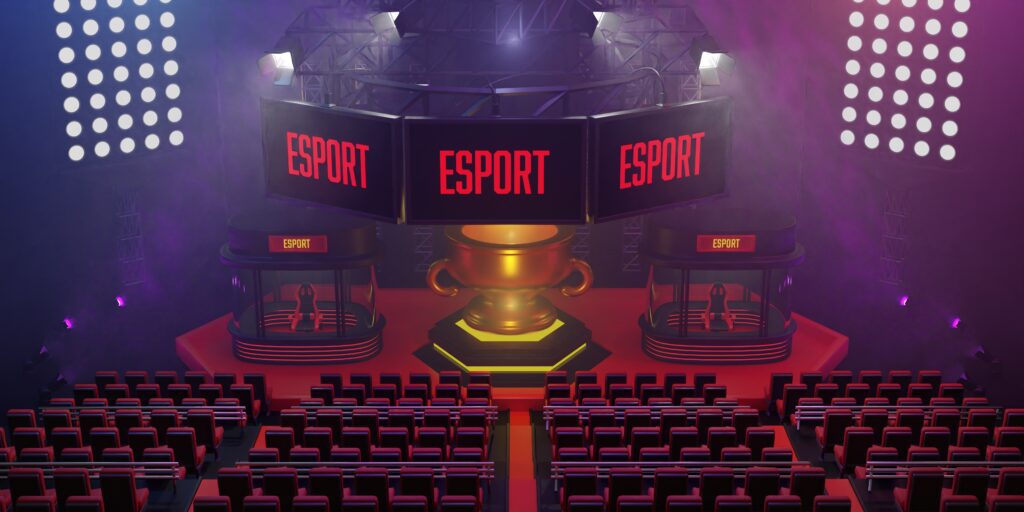
Have you ever watched an esports tournament? If not, imagine this: a stage lit up like a rock concert, giant LED screens displaying intense matches, commentators hyping up every play, and thousands of fans cheering like they would at a World Cup final.
This is esports. And Gen Z in India is embracing it like never before.
Games like BGMI, Free Fire, Valorant, and CS:GO have thriving competitive scenes in India. Major tournaments are being hosted with multi-crore prize pools, drawing players from every corner of the country. The competition is fierce, but so is the excitement.
For students, this isn’t just entertainment. Many are participating in college-level or online tournaments, sharpening their reflexes and teamwork, and dreaming of playing professionally one day. A few years ago, being a “gamer” was considered a hobby. Now, it’s a legitimate path to fame, money, and respect.
3. Streaming Is the New Influencing
While esports is all about competition, streaming focuses on personality. Streamers are the entertainers, the storytellers, and often the teachers of the gaming world.
In India, Gen Z students are increasingly turning to streaming as a creative outlet. Platforms like YouTube Gaming and Twitch have made it surprisingly accessible. All you need is a decent internet connection, some personality, and a love for gaming.
What’s fascinating is how streaming is blending gaming with personal branding. Some streamers focus on high-skill gameplay. Others bring humor, commentary, or unique challenges. And then there are those who simply build communities where everyone feels welcome.
For students, this means a chance to build an audience, earn through ads or donations, and even collaborate with brands—all from their hostel room or bedroom.
4. Changing Perceptions: From “Time Waste” to “Skill Building”
Not too long ago, parents would scold their kids for “playing too many games.” Many still do. But the perception is slowly shifting.
Why? Because gaming teaches real skills. Strategy, teamwork, decision-making under pressure, communication, multitasking—these are all skills valued in workplaces today.
Take esports teams, for example. They function like professional sports teams, with analysts, coaches, and strict practice schedules. Streamers learn content creation, video editing, branding, and audience engagement. These are not “wasted hours”; they’re skill-building hours.
Some Indian colleges have even started recognizing esports and gaming clubs officially. And a few universities abroad offer scholarships for talented esports players. This change is slowly making parents rethink their assumptions.

5. The Role of Affordable Tech and the Internet
You can’t talk about gaming trends Gen Z India without mentioning technology. The last few years have seen a massive drop in smartphone prices, better GPUs, cheaper internet plans, and easier access to gaming platforms.
The Jio revolution played a big role here. Suddenly, high-speed internet wasn’t a luxury—it was accessible to millions. That opened the floodgates for mobile gaming, especially titles like Free Fire and PUBG Mobile, which exploded in popularity.
Unlike earlier generations that needed expensive consoles or gaming PCs, today’s students can start gaming seriously with just a mid-range phone. Streaming setups have also become more affordable. This democratization of gaming tech has allowed students from small towns and cities to compete on the same stage as metro gamers.
6. Career Opportunities Beyond Just Playing
Let’s say you love gaming, but you don’t see yourself as a pro player or streamer. Does that mean there’s no future for you in the industry? Absolutely not.
The gaming world has opened up a wide range of career opportunities. Here are a few:
- Shoutcasting and commentary – Becoming the voice of esports tournaments.
- Event management – Organizing tournaments, festivals, and gaming expos.
- Game design and development – For those who love creating rather than playing.
- Marketing and social media roles – Gaming companies are constantly looking for creative minds.
- Production and editing – Behind every good streamer is great video and audio production.
Students are starting internships with esports organizations, joining gaming startups, or freelancing for creators. The ecosystem is expanding rapidly, and there’s space for more than just players.

7. The Power of Community and Identity
One of the most underrated aspects of gaming is the sense of belonging it brings. For many Gen Z students, being part of a gaming community isn’t just about winning matches—it’s about finding people who “get” them.
Gaming communities often transcend language, location, and even academic backgrounds. Someone from a remote village in Kerala can squad up with a college student in Delhi, and they might become close friends purely through their shared gaming journey.
Online forums, Discord servers, Reddit groups, and in-game clans have become micro-communities where ideas, jokes, strategies, and even life advice are shared. In a world where many students struggle with pressure, uncertainty, and stress, these communities often offer support systems that feel genuine.
Challenges on the Road: It’s Not All Fun and Games
While the rise of gaming is exciting, it’s important to talk about the challenges too. Like any fast-growing industry, esports and streaming have their downsides.
- Time management – Balancing studies and gaming can be tough. Many students end up sacrificing sleep or academics for late-night matches.
- Mental health pressure – Streamers often feel the need to constantly “perform” for their audience, which can be draining.
- Toxicity in communities – Online spaces can sometimes be harsh, and not every interaction is positive.
- Career uncertainty – While opportunities are growing, gaming careers are still unconventional and can be unstable in the early stages.
The key is balance. Students who treat gaming with the same discipline as they would sports or creative hobbies often find ways to enjoy the best of both worlds.

Looking Ahead: What’s Next for Gaming Trends Gen Z India?
If the current pace is any indication, the next few years are going to be even more exciting. Here’s what might be coming:
- More local games and tournaments: Indian developers are starting to create games tailored for the local audience.
- Integration with education: Schools and colleges may introduce esports programs just like they have sports teams.
- VR and AR experiences: Virtual reality is still expensive, but as prices drop, new types of games and competitions will emerge.
- Increased global presence: Indian players and streamers are slowly making a mark internationally, and that trend is likely to grow.
For Gen Z students, this means more opportunities, more visibility, and more ways to turn their passion into something bigger.
Conclusion: More Than a Game
Gaming in India has grown from a casual pastime to a movement powered by Gen Z’s energy, creativity, and ambition. Esports arenas are their stadiums, streaming platforms their stages, and gaming communities their hangout spots.
Yes, it’s fun. But it’s also meaningful. It builds skills, opens doors, and connects people in ways older generations couldn’t imagine.
If you’re a student who loves gaming, you’re part of something bigger than yourself. Whether you’re playing for fun, streaming for an audience, competing in tournaments, or dreaming of building the next big game—your passion is part of the future of gaming trends Gen Z India.
So the next time someone tells you gaming is “just a waste of time,” smile. You know the truth.
It’s more than a game. It’s a movement.

FAQs
1. Why is gaming so popular among Gen Z in India?
Gen Z in India has grown up with affordable smartphones, cheap internet, and easy access to games. For them, gaming isn’t just entertainment — it’s a way to socialize, compete, express creativity, and even build careers through esports and streaming.
2. Can gaming be a career option for students in India?
Yes! Many students are turning their passion for gaming into careers in esports, streaming, game development, content creation, and event management. With the industry growing rapidly, new opportunities are opening up every year.
3. What are the most popular games among Gen Z in India?
Some of the top favorites include BGMI (Battlegrounds Mobile India), Valorant, Free Fire, Call of Duty Mobile, and Minecraft. These games have massive communities, regular tournaments, and active streaming scenes.
4. How do Indian parents view gaming as a hobby or career?
While some parents still see gaming as a distraction, many are becoming more open to it, especially as esports gains mainstream attention and gaming skills are being recognized as valuable. The perception is slowly shifting from “time waste” to “potential career.”
5. What are the future gaming trends Gen Z India should look out for?
The future looks exciting with the rise of Indian-made games, VR/AR experiences, college-level esports programs, and more global participation from Indian gamers and streamers.
Disclaimer:
The information provided in this blog is for general informational and educational purposes only. Mantech Publications is not affiliated, associated, authorized, endorsed by, or in any way officially connected with any brands, companies, organizations, or institutions mentioned in the content. The views and opinions expressed in the blog posts are solely those of the individual authors and do not necessarily reflect the official policy, position, or opinions of Mantech Publications. While efforts are made to ensure the accuracy and reliability of the information provided, Mantech Publications and its management accept no responsibility or liability for any loss, damage, or inconvenience caused as a result of reliance on the material published on this website
Leave a Reply