


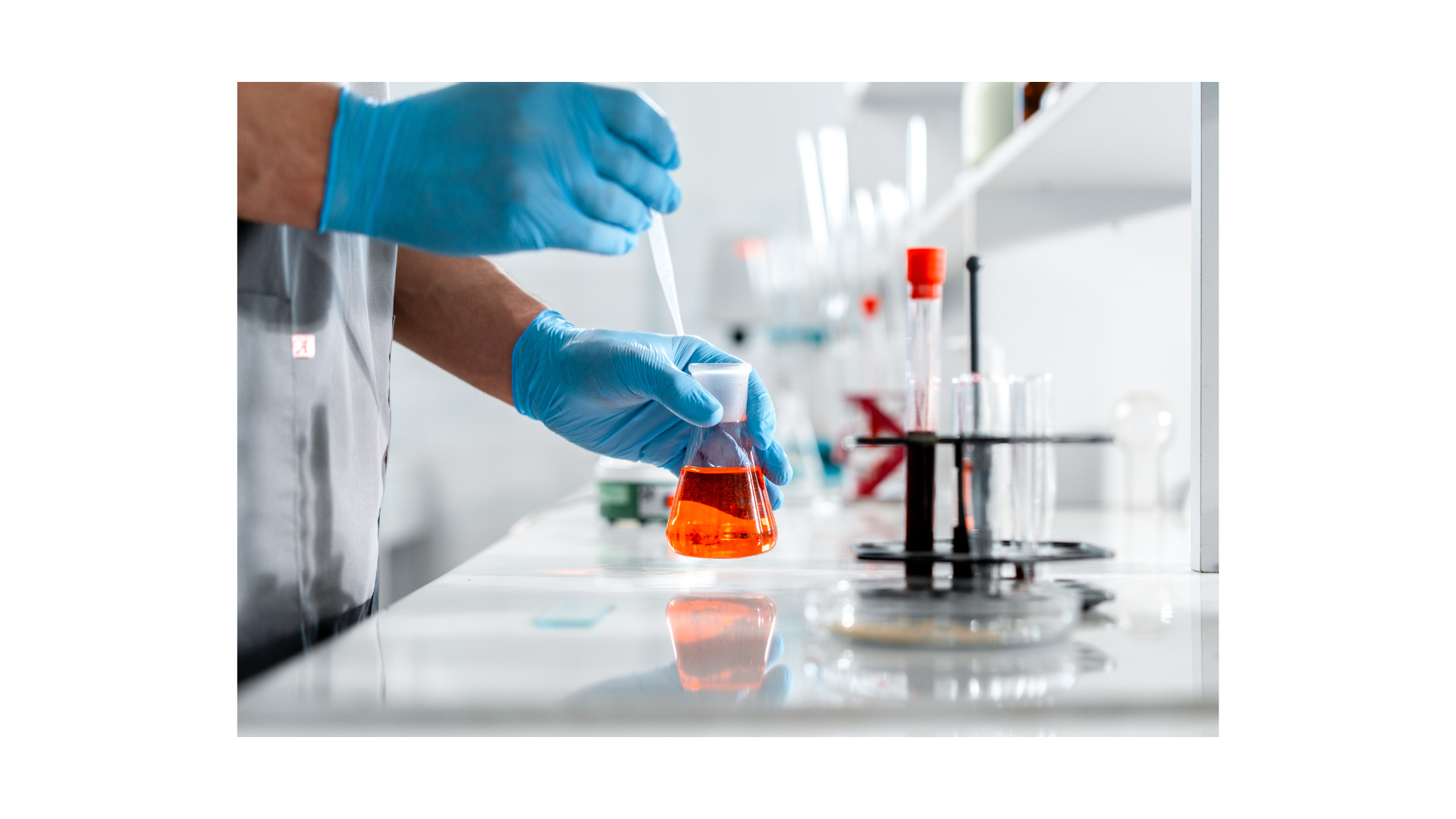
Have you ever wondered what the future of medicine, agriculture, and even environmental protection looks like? If you’re a student thinking about biotechnology, this is the perfect time to ask that question.
Biotechnology is no longer just about lab experiments and textbooks. It is transforming how diseases are treated, how food is grown, and how data is used to predict health risks. The field is moving fast, and if you’re planning your career, you need to know where the real action is happening.
In this blog, we’ll talk about the Top 5 biotech research trends shaping the future. These are not random topics. These are powerful areas where research funding, job opportunities, and innovation are growing rapidly.
So, are you ready to see where biotechnology is heading?
Why Students Should Care About Biotech Research Trends
Before we jump into the trends, let’s answer an important question.
Why should you, as a student, care about biotech research trends?
Because your career decisions today depend on what industries will need tomorrow. If you specialize in an area that’s expanding, your opportunities increase. If you choose a field that’s slowing down, growth may be limited.
Understanding biotech research trends gives you:
- Direction for higher studies
- Clarity about internships
- Awareness of job markets
- Confidence in choosing specializations
Now let’s explore the top 5 trends that are shaping biotechnology right now, and understand how Research in biotechnology is driving groundbreaking discoveries across healthcare, agriculture, artificial intelligence, and environmental science.
Gene Editing and CRISPR Technology
One of the most exciting biotech research trends is gene editing, especially CRISPR technology.
Have you heard about CRISPR? It’s a tool that allows scientists to edit DNA with high precision. Think of it like editing a sentence in a document—but instead of words, you’re editing genes.
Why Is Gene Editing So Powerful?
Researchers are working on:
- Treating genetic disorders
- Improving crop resistance
- Developing personalized medicine
- Correcting inherited diseases
Imagine a future where certain genetic diseases are prevented before birth. That’s the level of impact gene editing is aiming for.
What Does This Mean for Students?
If you’re interested in:
- Molecular biology
- Genetics
- Biomedical research
This area offers huge research potential. Universities and biotech companies are investing heavily in gene editing research.
Are you comfortable working with DNA and genetic data? If yes, this could be your path.

Personalized Medicine and Precision Healthcare
Have you noticed how medicine is becoming more tailored to individuals?
Another major biotech research trend is personalized medicine. Instead of giving the same treatment to everyone, doctors are now looking at a patient’s genetic profile to design specific treatments.
How Does Personalized Medicine Work?
Scientists analyze:
- Genetic makeup
- Lifestyle data
- Disease history
- Biomarkers
Based on this, treatments are customized.
For example, cancer therapies are increasingly based on the patient’s specific mutation rather than a general drug approach.
Why Is This Important?
Traditional medicine follows a “one-size-fits-all” method. Personalized medicine changes that completely.
For students, this means opportunities in:
- Genomics
- Bioinformatics
- Clinical research
- Data analysis
If you enjoy combining biology with data science, this is a powerful direction.
Artificial Intelligence in Biotechnology
Here’s something exciting: biology is now working closely with artificial intelligence.
AI is transforming drug discovery, disease prediction, and research analysis. This is one of the fastest-growing biotech research trends globally.
How Is AI Used in Biotechnology?
AI systems are used to:
- Predict protein structures
- Identify potential drug molecules
- Analyze massive genetic datasets
- Speed up clinical trials
Earlier, drug discovery could take 10–15 years. Now, AI tools are reducing research timelines dramatically.
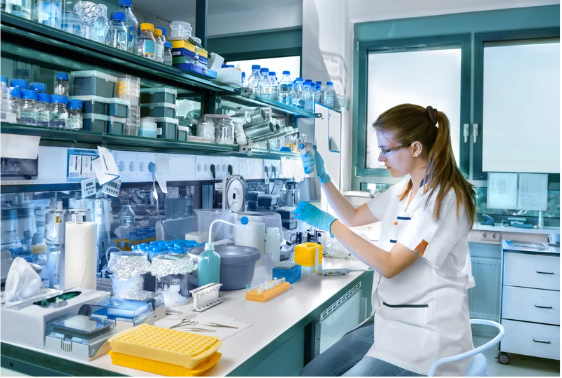
Should Biology Students Learn Coding?
That’s a common question.
You don’t need to become a software engineer. But understanding basic programming and data analysis gives you a strong advantage.
If you’re comfortable working with:
- Python
- Data tools
- Computational models
You’ll stand out in biotech research.
This trend clearly shows that interdisciplinary skills matter more than ever.
Sustainable Biotechnology and Green Solutions
Climate change, pollution, and food shortages are serious global challenges. Biotechnology is stepping up with sustainable solutions.
Sustainable biotech is another major biotech research trend gaining attention.
What Does Sustainable Biotechnology Include?
Researchers are working on:
- Biofuels
- Biodegradable plastics
- Sustainable agriculture
- Waste treatment using microbes
Instead of harmful chemicals, scientists are using biological systems to solve environmental problems.
For example, certain bacteria are used to clean oil spills. Genetically improved crops require fewer pesticides and less water.
Why Should Students Consider This Field?
If you care about:
- Environmental protection
- Agriculture
- Sustainability
This area offers meaningful research opportunities.
It’s not just about career growth. It’s about creating impact.

mRNA Technology and Vaccine Innovation
After the global pandemic, mRNA technology became widely recognized. But its potential goes far beyond vaccines.
mRNA-based therapies are now being studied for:
- Cancer treatment
- Autoimmune diseases
- Rare genetic disorders
This is one of the most revolutionary biotech research trends of the decade.
Why Is mRNA So Important?
Traditional vaccines often use weakened viruses. mRNA vaccines teach cells how to produce a protein that triggers an immune response.
The advantage?
- Faster development
- Flexible design
- Scalable production
Research in this area is expanding rapidly across pharmaceutical companies and research institutes.
If immunology fascinates you, this could be your research direction.
How These Biotech Research Trends Affect Your Career
Let’s pause for a moment.
Reading about trends is one thing. Understanding what they mean for your future is another.
Here’s how these biotech research trends impact students:
Higher Demand for Specialized Skills
Basic biotechnology knowledge is no longer enough. Specialization matters.
You may need:
- Data analysis skills
- Genetic engineering techniques
- Computational biology knowledge

Interdisciplinary Learning Is Essential
Biology alone is not sufficient anymore. Biotechnology now connects with:
- Computer science
- Engineering
- Data science
- Environmental science
Are you ready to step beyond traditional boundaries?
Research Opportunities Are Expanding
Universities are offering advanced programs in:
- Genomics
- Systems biology
- Synthetic biology
- Bioinformatics
Choosing the right specialization early can shape your academic path.
How to Prepare for These Trends as a Student
Now you might be thinking, “This sounds exciting, but where do I start?”
Here are practical steps:
Strengthen Your Basics
Focus on:
- Molecular biology
- Biochemistry
- Genetics
- Microbiology
A strong foundation makes advanced topics easier.
Learn Data Skills
Even basic knowledge of:
- Python
- Java programming
- Data visualization
Can give you an advantage.
Do Internships in Research Labs
Hands-on experience matters more than theory.
Look for:
- University labs
- Research internships
- Biotech startups
Exposure to real projects builds confidence.
Stay Updated
- Biotech research trends change quickly. Read scientific news, attend webinars, and follow research breakthroughs.
- Curiosity is your biggest asset.

Which Biotech Research Trend Should You Choose?
There’s no universal answer.
Ask yourself:
- Do I enjoy genetics and DNA-level work? → Gene editing
- Do I like combining biology and coding? → AI in biotech
- Do I care about sustainability? → Green biotechnology
- Am I interested in medicine and healthcare? → Personalized medicine or mRNA research
Your interests matter more than trends alone.
The Future of Biotechnology: Exciting or Overwhelming?
It might feel overwhelming to see how fast biotechnology is evolving.
But here’s the good news.
This rapid growth means:
- More innovation
- More research funding
- More career paths
- More global collaboration
Biotechnology is not slowing down. It’s expanding into healthcare, agriculture, climate science, and technology.
As a student, you are entering this field at a powerful time.
Conclusion
Biotechnology is no longer limited to laboratories and textbooks. It is transforming medicine, agriculture, environmental science, and even artificial intelligence. The top 5 biotech research trends—gene editing, personalized medicine, AI in biotechnology, sustainable biotech, and mRNA technology—are shaping the future of science.
For students, understanding biotech research trends is not just about awareness. It’s about making informed career decisions. These trends highlight where research funding is growing, where innovation is accelerating, and where new job roles are emerging.
The field is becoming more interdisciplinary, meaning you may need to combine biology with data science, engineering, or environmental studies. That might sound challenging, but it also makes biotechnology one of the most dynamic and opportunity-filled domains today.
If you stay curious, build strong fundamentals, and keep learning beyond your syllabus, you can position yourself at the center of these exciting developments. The future of biotechnology is bold, innovative, and full of possibilities. The real question is—are you ready to be part of it?

FAQs:
A. The latest biotech research trends include gene editing technology, personalized medicine in healthcare, artificial intelligence in drug discovery, sustainable biotechnology, and mRNA vaccine development.
A. CRISPR is a gene editing tool that allows scientists to modify DNA with precision. It is important because it supports research in genetic diseases, crop improvement, and advanced medical treatments.
A. Artificial intelligence in drug discovery is used to analyze large biological datasets, predict protein structures, identify drug candidates, and speed up research processes.
A. Personalized medicine in healthcare refers to treatments designed based on a person’s genetic makeup, lifestyle, and medical history instead of using a general treatment for everyone.
A. Yes, biotechnology offers strong career opportunities in research, pharmaceuticals, healthcare, agriculture, and environmental science, especially as biotech research trends continue to expand.
A. Future career opportunities include roles in genomics, bioinformatics, vaccine research, drug development, AI-based biological research, and sustainable biotech solutions.
Related posts:
![How to get NAAC Accreditation 2026]()
How to Get NAAC Accreditation: A Step-by-Step Strategic Roadmap for Higher Education Institutions
![Affordable college journals]()
Cost-Effective Subscription Strategies for Tier-3 Higher Education Institutes: A Practical Guide to …
![Digital Spine by mantechpublications]()
Redefining the Digital Spine: An Ergonomic Blueprint for the Modern Human
![Mantech-Publications-Journals Best NAAC Consultancy Services in India by Mantech Publications]()
Best NAAC Consultancy Services in India: How to Choose the Right Partner
![Mantech-Publications-Journals Best NAAC Consultancy Services in India by Mantech Publications]()
NAAC SSR Report Writing Made Easy: Format, Tips & Real Examples (2026 Guide)
![study notes apps by mantech publications]()
7 Best Mobile Apps for Study Notes Every Student Should Try Today









Leave a Reply