


Atharv Pawar
Introduction
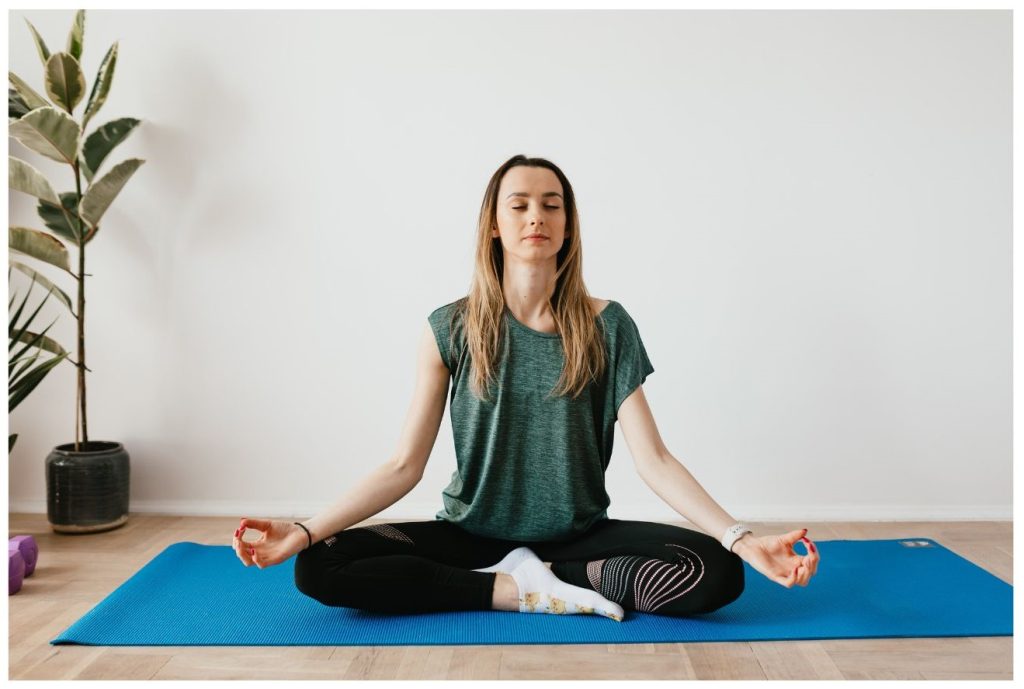
Imagine a healing journey where ancient wisdom meets modern science. By blending Yoga
with Physiotherapy, a powerful pathway to recovery unfolds—one that nurtures both body
and mind. While Physiotherapy precisely repairs and strengthens through structured
rehabilitation, Yoga cultivates flexibility, balance, breath awareness, and inner calm.
When thoughtfully integrated, these two disciplines create a recovery model that is not only
functional but transformative. They address not just injured tissues, but the individual as a
whole.
In this holistic synergy, props are indispensable tools. In Yoga, they are trusted companions
offering support, stability, and space. From blocks to bolsters, these items gently remind us
that it is okay to meet ourselves where we are. In Physiotherapy, props are precision
instruments that guide recovery, retrain muscles, and rebuild confidence. Together, they act
as bridges—connecting injury to independence.
Yoga: Motion into Meaning
Yoga transforms motion into meaning. It is not about how deep you move into a pose, but
how deeply you experience it. It is movement infused with intention, breath woven with
awareness, and healing unfolding in conscious moments.
The philosophical roots of Yoga are beautifully described by Patanjali through the eight limbs
of Ashtanga Yoga:
| Step | Sanskrit Term | Meaning |
|---|---|---|
| 1 | Yama | Ethical foundations |
| 2 | Niyama | Personal discipline |
| 3 | Asana | Physical postures |
| 4 | Pranayama | Breath regulation |
| 5 | Pratyahara | Withdrawal of the senses |
| 6 | Dharana | Concentration |
| 7 | Dhyana | Meditation |
| 8 | Samadhi | Integration and unity |
These limbs are not rigid steps but interwoven elements guiding holistic well-being. In
rehabilitation, this philosophy reminds us that healing is not rushed it is respected.
Understanding Yoga Props
- In Yoga, props are more than tools they are extensions of intelligence and compassion in
practice. They make alignment accessible and stillness sustainable. - The most commonly used yoga props include blankets, blocks, bolsters, and straps.
Blankets provide padding and elevation, supporting spinal neutrality in seated poses and
inversions. - Yoga blocks assist alignment and reduce compensatory movements in poses like supported
bridge or half pigeon.
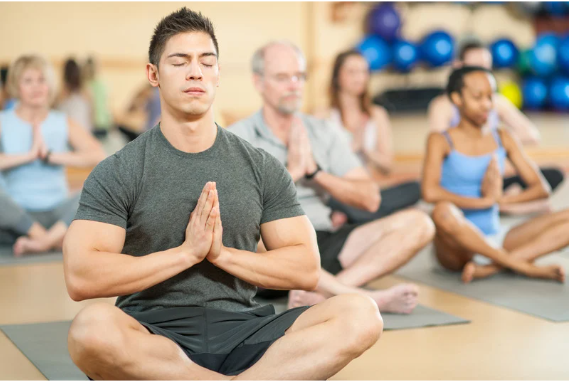
- Yoga bolsters promote relaxation and parasympathetic activation in restorative postures
such as legs-up-the-wall or supported child’s pose. - Yoga straps extend reach and allow safe stretching in poses like seated forward fold without
forcing joint range. - The therapeutic use of props was systematically popularized by B. K. S. Iyengar, whose
approach emphasized precision, accessibility, and safety. Through props, yoga becomes
inclusive welcoming individuals with stiffness, injury, or limited mobility.
Props in Physiotherapy: Precision with Purpose
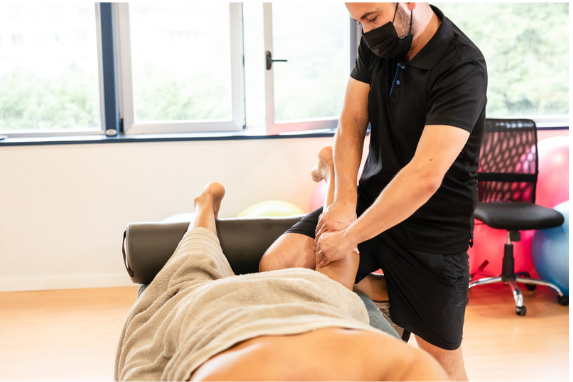
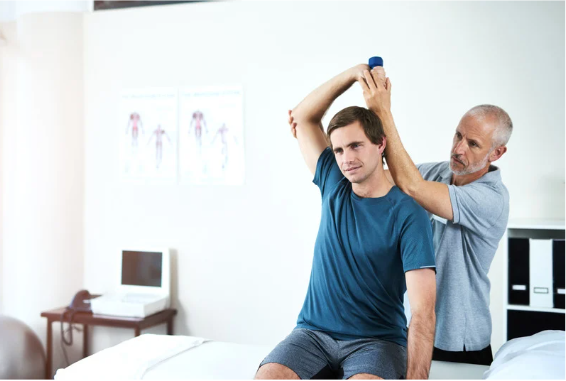
In Physiotherapy, props are guided by biomechanics, anatomy, and motor learning
principles. Each tool has a measurable objective.
- Resistance bands allow graded strengthening and neuromuscular activation.
- Foam rollers assist myofascial release and mobility.
- Stability balls challenge balance and activate core stabilizers.
- Balance boards and supports retrain proprioception and coordination.
These tools do more than assist movement they retrain movement patterns. They promote
neuroplasticity, improve tissue adaptation, and restore functional independence.
Interestingly, many physiotherapy tools mirror yoga props in function. A yoga strap
resembles a theraband. A bolster parallels lumbar support. A wall becomes both a stability
trainer and alignment guide. Though the approach may differ slightly, the principle remains
the same: guided support leads to safe progression.
The Deeper Philosophy of Props
Props symbolize humility in healing. They acknowledge that the body may not yet be
ready and that is acceptable.
They:
- Extend reach without strain
- Refine alignment without force
- Encourage stillness without discomfort
- Enable effort without overload
- Provide safety without dependency
- They bridge limitation and possibility.
Synergy Between Yoga and Physiotherapy
Yoga embodies mindful flow. Physiotherapy embodies structured rehabilitation. When
combined, they form a continuum of care.
Physiologically, yoga enhances cardiovascular efficiency, lung capacity, flexibility, and
autonomic balance. From a physiotherapy perspective, breath control improves respiratory
mechanics, and mindful movement enhances neuromuscular coordination.
Mentally, yoga cultivates resilience and self-awareness. Physiotherapists increasingly
integrate breathwork and graded exposure strategies to improve patient confidence and
self-efficacy Together, body and mind heal as one.
Real-World Applications
Post-Surgical Rehabilitation
Yoga bolsters and blocks help maintain alignment and reduce compensatory patterns during
early recovery. Physiotherapists use similar supports for safe mobilization and postural
retraining.
Chronic Pain Management
Restorative yoga using props promotes muscular release and nervous system calming.
When combined with graded physiotherapy exercises, it supports both mechanical and
neurological recovery.
Balance and Fall Prevention
Chair-supported yoga and wall assistance improve stability in elderly individuals.
Physiotherapists apply comparable techniques in gait and balance training.
Muscle Tightness and Weakness
Yoga straps allow sustained stretching without joint overload. Resistance bands in
physiotherapy promote progressive strengthening while maintaining controlled movement.
Respiratory Rehabilitation
Supported chest-opening postures can enhance thoracic expansion. Physiotherapy breath
training further improves diaphragmatic efficiency and pulmonary function.
Beyond the Clinic: Empowering Self-Management
One of the greatest strengths of integrating Yoga and Physiotherapy lies in patient
empowerment. Props are affordable, adaptable, and suitable for home programs.
- A folded blanket becomes lumbar support.
- A wall becomes a balance trainer.
- A strap becomes a stretching assistant.
Recovery does not end at discharge it continues through mindful self-practice.
Conclusion
Props are not shortcuts they are pathways. They allow us to move safely toward recovery
when the body is not yet ready for unrestricted motion.
By blending the scientific precision of physiotherapy with the mindful depth of yoga,
practitioners can offer a compassionate and comprehensive model of care. This synergy is
structured yet gentle, clinical yet conscious.
Whether in a studio, rehabilitation clinic, or at home, the thoughtful use of props ensures that
healing is not rushed but respected.
In bridging Yoga and Physiotherapy, we do more than rehabilitate injuries we restore
balance, resilience, and wholeness, one supported breath and one guided movement at a
time.
FAQs:
A. Yes. Yoga can support physiotherapy by improving flexibility, balance, and muscle strength during rehabilitation.
A. Yoga props like blocks, straps, and bolsters provide support, improve alignment, and make movements safer during recovery exercises.
A. Yes, but it should be practiced under professional guidance to avoid overstretching or worsening an injury.
A. Physiotherapy focuses on clinical rehabilitation and biomechanics, while yoga therapy emphasizes mindful movement, breath control, and holistic healing.
A. No. Yoga complements physiotherapy but should not replace professional rehabilitation programs, especially after injury or surgery.
A. The most common therapeutic props include yoga blocks, straps, bolsters, blankets, and walls for support and alignment.
Related posts:
![Digital Spine by mantechpublications]()
Redefining the Digital Spine: An Ergonomic Blueprint for the Modern Human
![Ayurveda Colleges in Mysuru by mantech publications]()
Top 7 Powerful Ayurveda Colleges in Coimbatore Every Student Should Know
![Ayurveda Colleges Coimbatore by mantechpublications]()
Top 7 Powerful & Trusted Ayurveda Colleges in Bhopal You Should Know About
![Ayurveda Colleges in Mysuru by mantech publications]()
Top 7 Powerful Choices: Top Ayurveda Colleges in Nashik for a Bright Medical Career
![study notes apps by mantech publications]()
7 Powerful Reasons to Choose the Top Ayurveda Colleges in Jaipur for Your Future
![Primary Healthcare and National Health by mantech publication]()
Primary Healthcare and National Health Programs in India: A Complete Guide










Leave a Reply